The Rattling of Hope
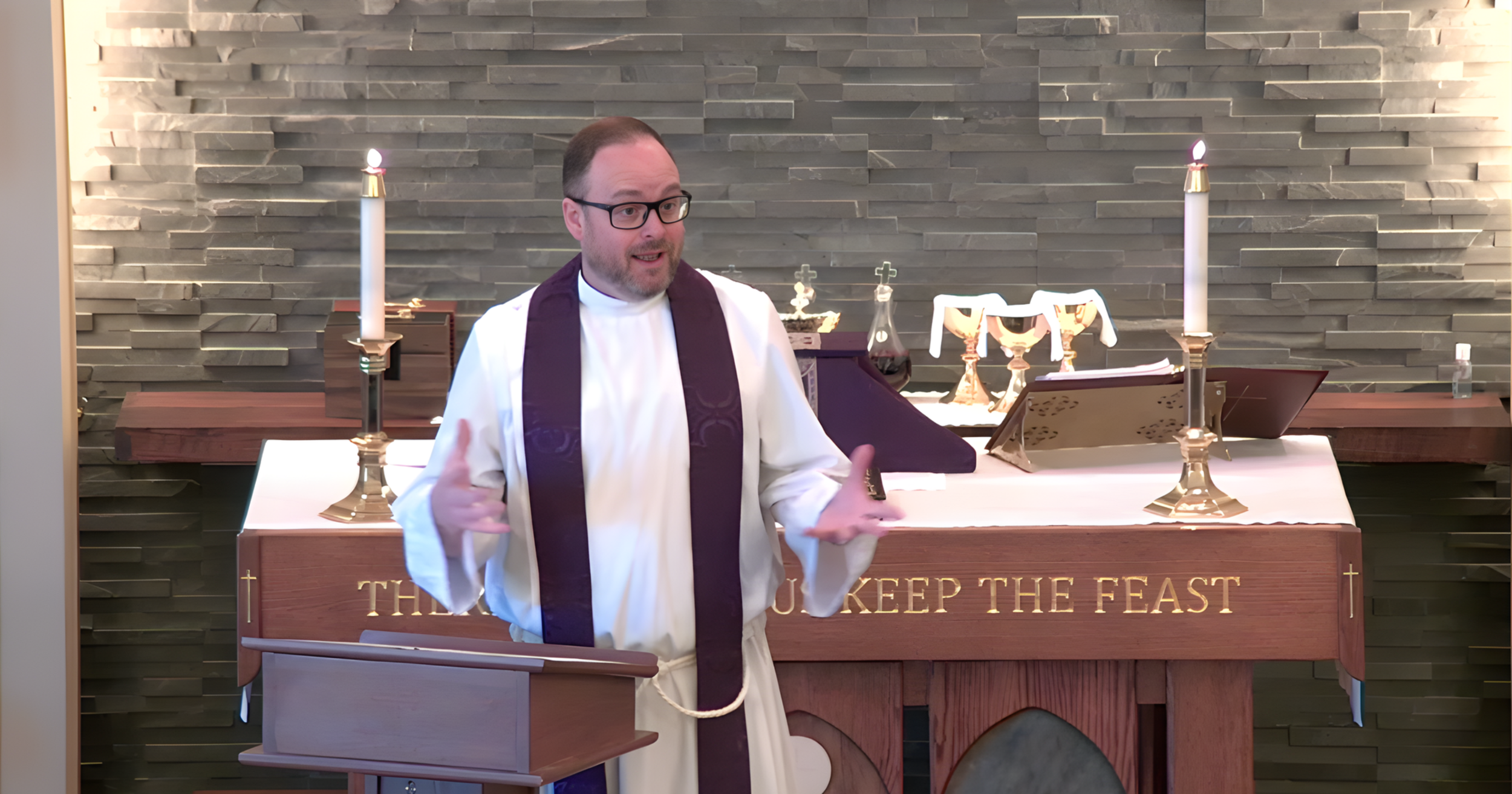
Preacher: The Rev. Logan Hurst
Scripture: Ezekiel 37:1-14
There is a moment in Ezekiel's vision that deserves our attention: God does not point to the valley of dry bones from a distance. God walks Ezekiel right into the middle of it. Makes him stand there. Makes him look closely.
This is not a vision about easy hope. It is a vision about honest hope — the kind that does not flinch from what feels dead or broken. The dry bones in Ezekiel's vision have been there a long time. Sun, wind, and time have done their work. There is nothing dramatic about them. They are simply silent, scattered, and still.
We know that silence. The weariness that sleep does not cure. The disappointment that has calcified quietly. The prayer life that has gone thin. The grief or cynicism that whispers: don't hope too much. These are the dry places we carry, sometimes privately, into the week — and sometimes into worship itself.
What this passage offers is not a call to manufacture hope from within, but to receive it from without. The life in that valley did not come from Ezekiel's optimism or analysis. It came from a word — spoken by God, carried on the breath of the Spirit, entering where nothing remained. The Hebrew ruach — breath, wind, spirit — is the same gift that animated humanity at the first. And it is still moving.
Lent invites us to be honest about our dry places rather than to rush past them. But honesty is not the end of the story. When God speaks into the valley, something begins — even if it begins only with a little rattling. Even if it is a small shift before it is a standing people.
That Word is still the final word.
Reflection Questions
Where in your life right now do you recognize the feeling of dry bones — something that once held life but feels worn down, scattered, or silent?
When Ezekiel is asked "Can these bones live?" he answers, "O Lord God, you know." What is the honest question you might be holding in that same way — too uncertain to answer yes, too faithful to answer no?
This sermon suggests that faith is not denial of the valley but a willingness to stand in it and listen. What does it look like, practically, for you to stand in a hard place without looking away?
Where have you noticed something that began with rattling before it looked like restoration — a small shift, a faint stirring, a movement you almost missed?
The sermon closes with the idea that we will know God has acted because dry bones do not assemble themselves. How does that reframe the way you might look back on seasons of difficulty you have already passed through?