Who Jesus Says He Is
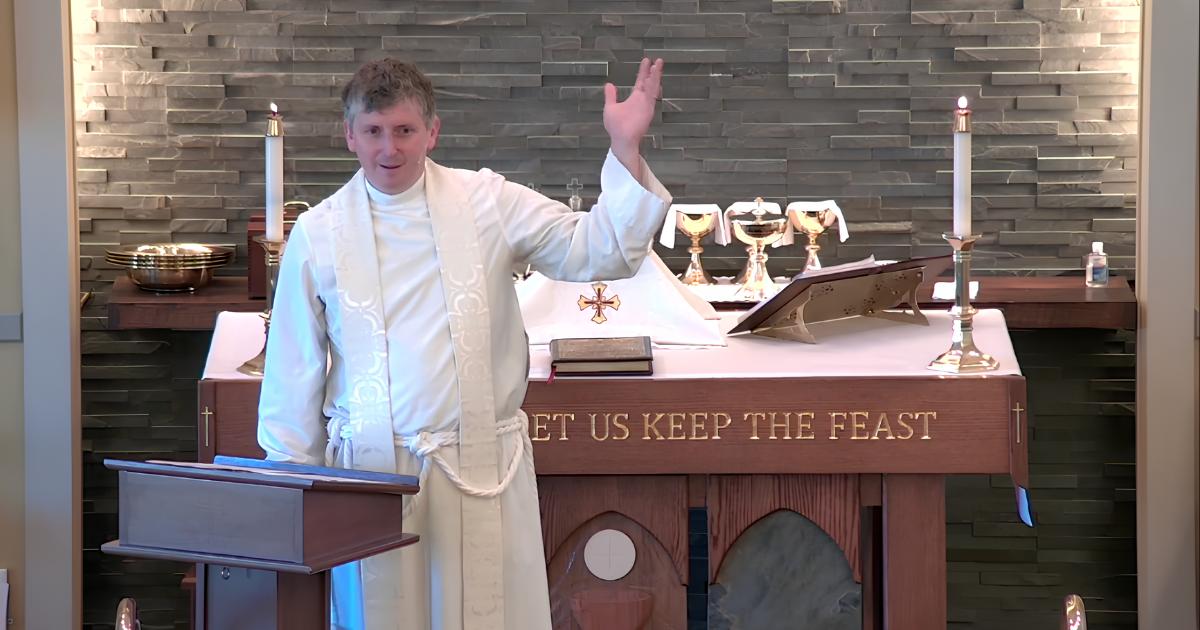
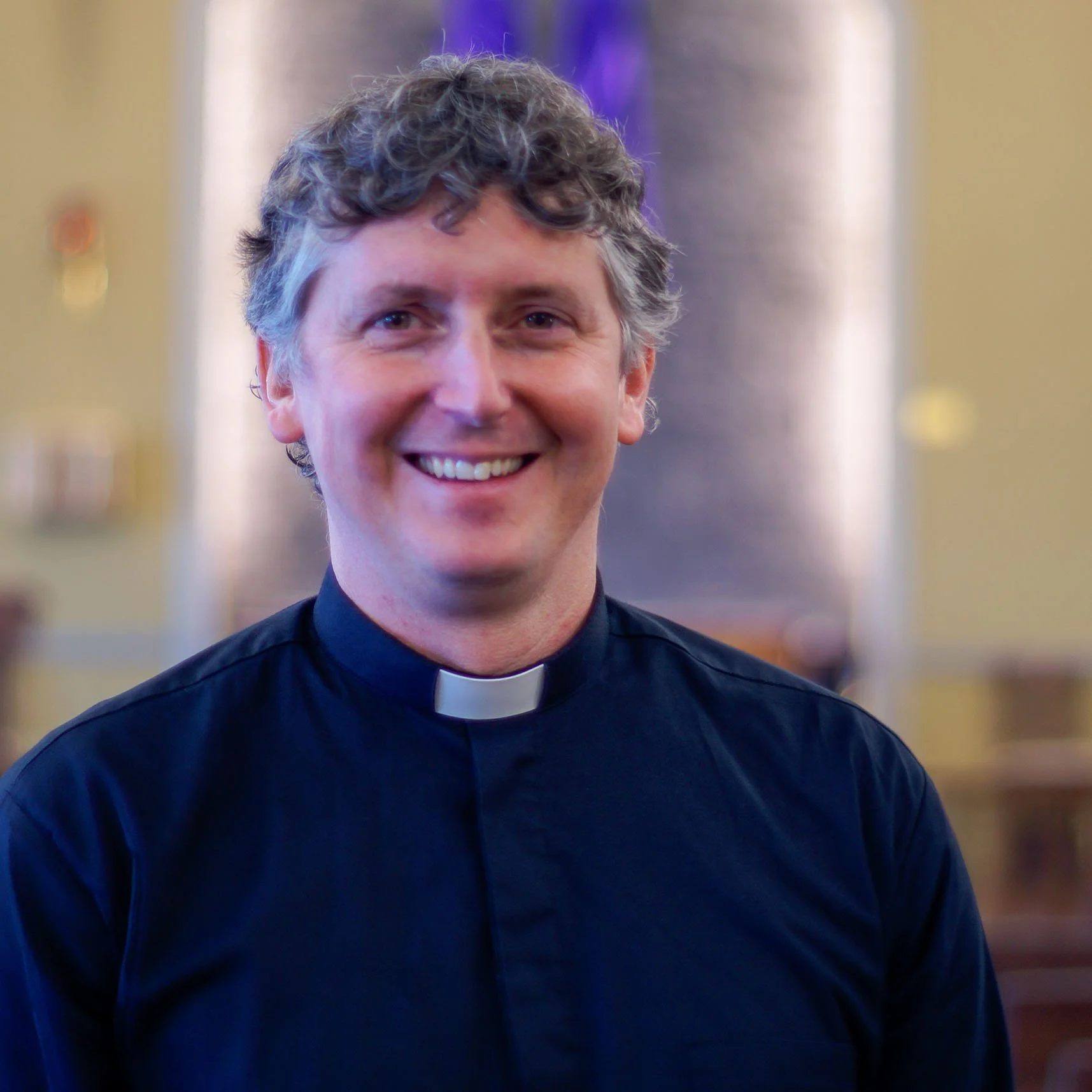
Preacher: The Rev. Andrew Van Kirk
Scripture: John 14:1-14
Most of us love someone who does not share our faith. A spouse, a child, a parent, a dear friend. And so when we hear Jesus say, "I am the way, and the truth, and the life — no one comes to the Father except through me," something tightens in us. We feel the weight of that claim on behalf of someone we love.
The instinct to soften it is understandable. But there is another option besides softening it or weaponizing it: looking more carefully at what the claim actually is. Jesus does not say that Christianity is the way, or that the church is the way, or that a particular set of right beliefs is the way. He says I am the way. The exclusive claim is about his person — who he is as the revelation of the Father — not about our religious system or our ability to sort the saved from the unsaved.
The earliest Christians understood this tension from the inside. Saint Monica prayed for decades for an unbelieving son (that son being Saint Augustine). Saint Paul counseled mixed-faith marriages. They held the exclusive claims of Christ without pretending the personal cost was small.
And yet there is a crucial distinction worth sitting with: the exclusive claim is about who does the saving, not who gets saved. Christ is the only Savior. But the reach of his love — those arms stretched wide on the cross — extends to the whole world. The vertical beam of the cross speaks to the singular way to the Father. The horizontal beam speaks to the breathtaking scope of his embrace. We are invited to trust the one who saves without presuming to set the boundaries of his mercy. Without both beams, we haven't drawn the cross.
Reflection Questions
When you hear that Jesus is "the only way," what is the first feeling that surfaces — and who are you thinking of?
How does it change your understanding to think of Christ's exclusive claim as being about his person rather than about a religious system?
Where in your life have you seen the exclusive claims of faith used more as a weapon than as an anchor — and what did that cost?
What would it look like to hold firm confidence in Christ as the way to the Father while also trusting him with the people you love who don't yet believe?
How does the image of the cross — vertical exclusivity and horizontal inclusivity held together — reshape the way you talk about your faith with others?