Grace, Love, and Communion
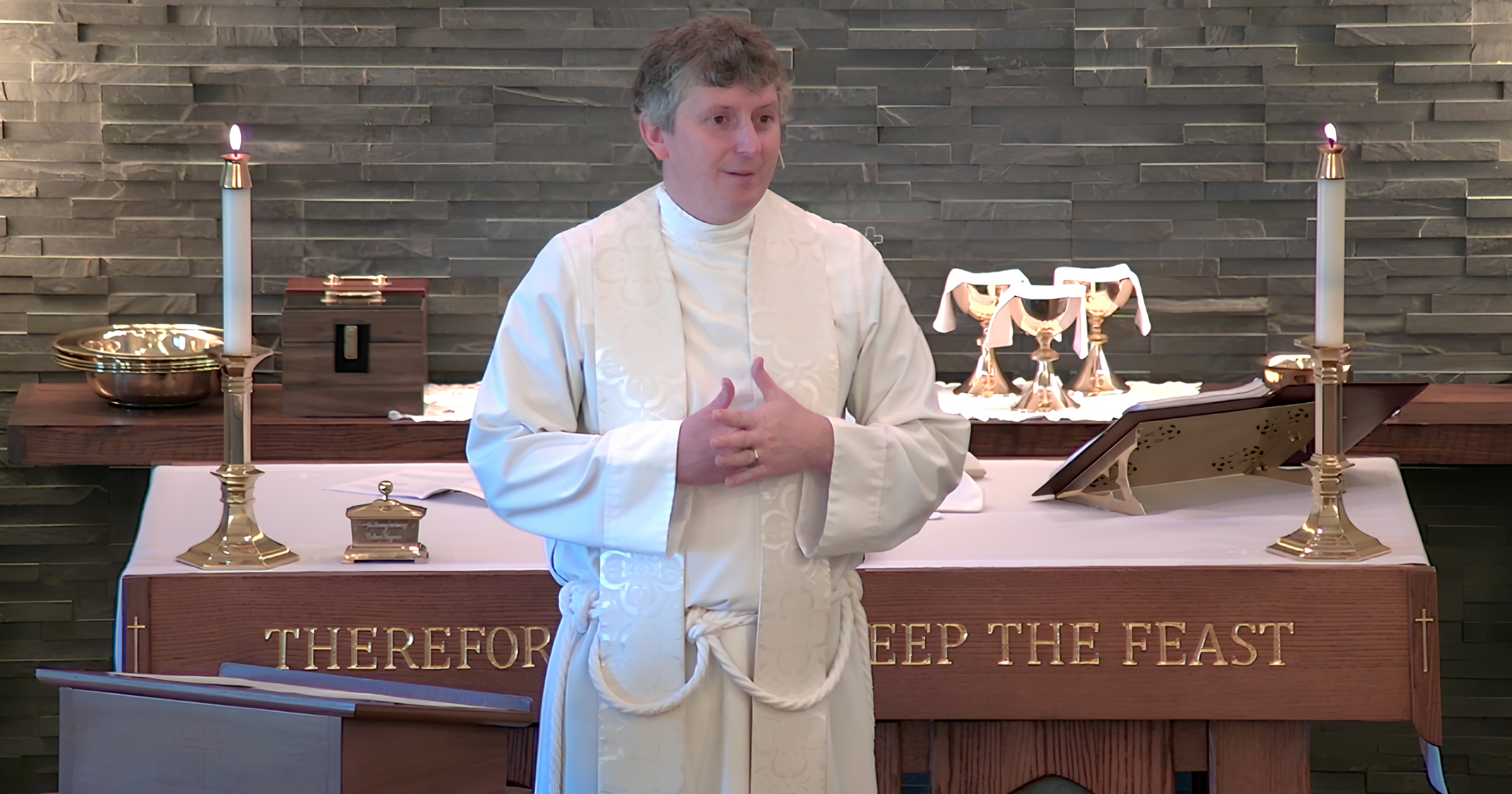
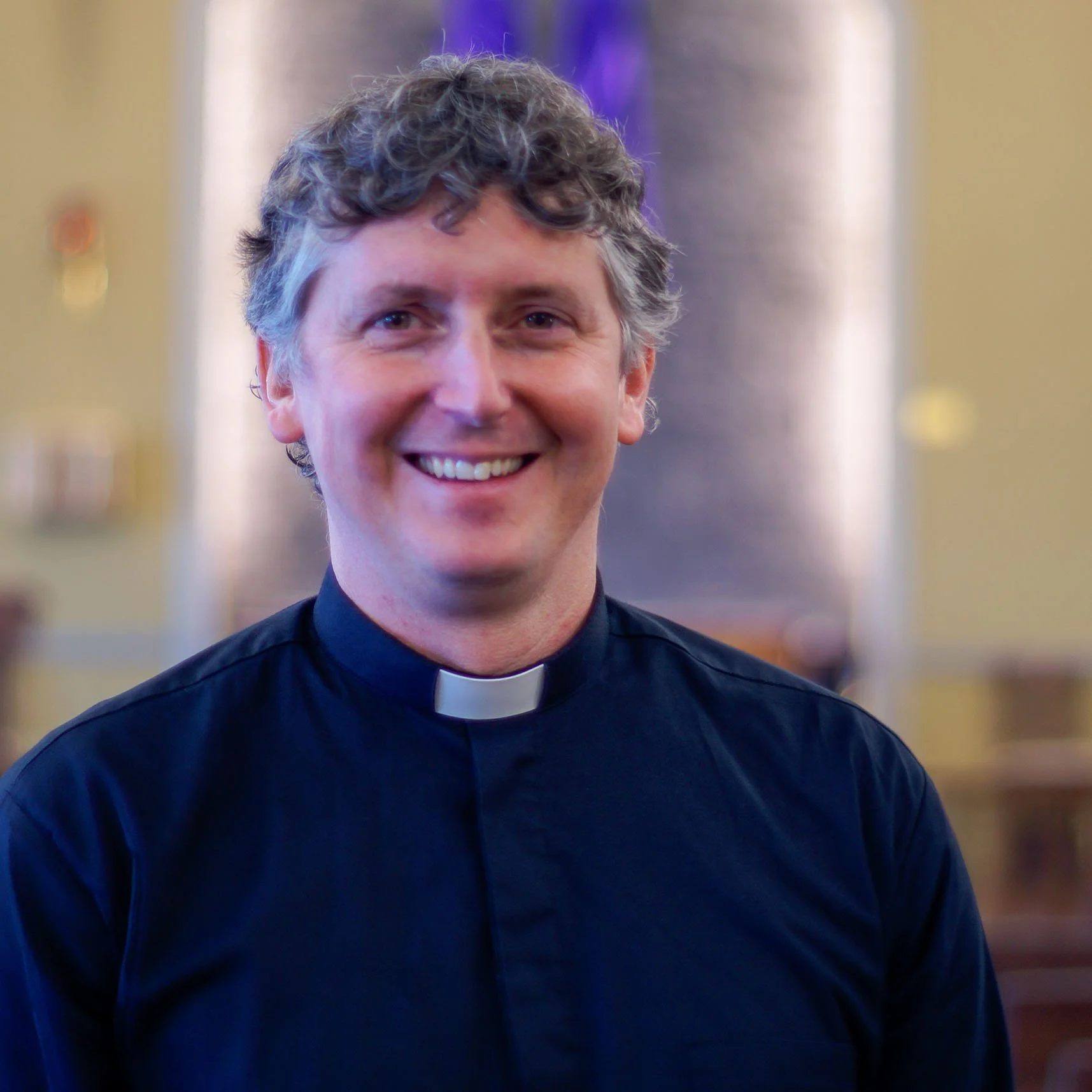
Preacher: The Rev. Andrew Van Kirk
Scripture: Matthew 28:16-20
There is a temptation to think of faith as something essentially private — a matter between a soul and its Maker, worked out in solitude and kept close. But the nature of God pushes back against that instinct at every turn.
The God revealed in Scripture is not a solitary being who later decided to become relational. Grace, love, and communion are not things God does; they are things God is. For grace to be a true attribute of God — not a behavior adopted at creation but a quality that belongs to God's own nature — there must always have been, within God, someone to extend grace toward. The same holds for love: love requires a beloved. Communion, by definition, requires more than one.
This is the weight behind the ancient confession that God is Trinity. It is not a mathematical puzzle to be solved or a creedal formality to be recited. It is the theological ground for the claim that when you encounter grace, you are encountering the very nature of God. When you find yourself drawn into genuine fellowship with others, you are not simply experiencing something humanly pleasant. You are touching something that reflects the deepest reality in the universe.
Which means that belonging — real belonging, the kind marked by patience and forgiveness and showing up — is not a secondary feature of the Christian life. It is near the center of it. We are received into a household, not handed a membership card. We are welcomed into a story already in motion, one we did not author and cannot own, but can only inhabit together.
The community we build imperfectly, and sometimes painfully, is still an image — however partial — of the God in whose name we were baptized.
Reflection Questions
In what areas of your life have you been treating faith as something primarily private, and what might it look like to open those areas to community?
When you think about grace, love, and fellowship as descriptions of who God actually is rather than things God merely does, what shifts for you?
Where have you experienced genuine belonging — and what made it feel different from simply being in the same room as other people?
What does it cost you to stay in community with others through difficulty, and what has that cost produced in you over time?
Is there someone on the edges of your community — at church, at work, in your neighborhood — whom you could welcome more fully into the story you share?