The Spirit Knows Your Language
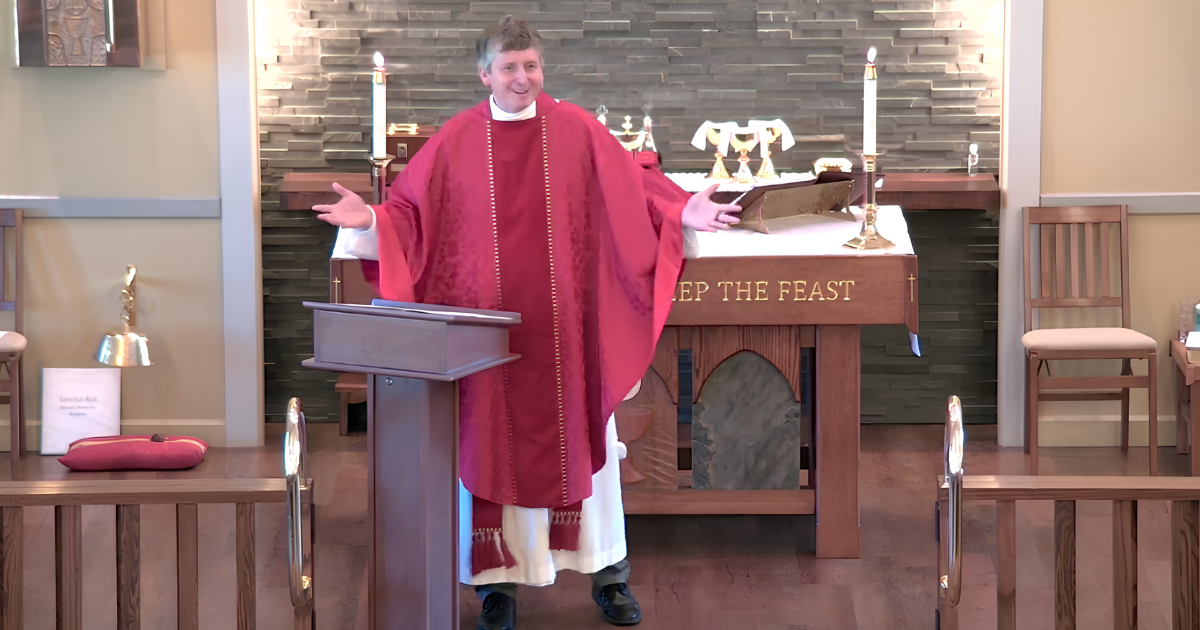
Preacher: The Rev. Andrew Van Kirk
Scripture: Acts 2:1-21
There is a difference between a conversation that gets something done and one that reaches the heart. The first kind needs only enough common vocabulary to complete the transaction: a price agreed, a direction given, a question answered. The second kind requires more: the idioms, the silences, the cultural memory embedded in a language, the words that carry more than their dictionary definitions. Most of us know the difference by feel. We've had both kinds of conversations.
The good news of Jesus Christ was never meant to be the first kind. It is not a message that contents itself with being generally understood. It comes looking for the specific place in a specific person where healing is needed — the particular despair, the particular wound, the particular hunger — and it speaks there. Not to an abstraction of a human being, but to this one, in the language of this one's heart.
This is not a strategy. It is the nature of love. Love does not address the average of a person. It addresses the person. The question "How is it that we each hear in our own native language?" is not finally a linguistic puzzle. It is a question about what it means to be known, to discover that the God of all things is not broadcasting at a frequency designed to reach most people, but is somehow, inexplicably, speaking directly to you.
The capacity for that kind of address belongs to the Spirit. It is a gift, not a technique. And it is available not only to the preacher in the pulpit but to any of us who find ourselves beside someone in need of the gospel, wondering how on earth to begin.
Reflection Questions
What is the "native language" of your own heart, the particular frame through which grace, or the need for it, makes most sense to you?
When has the good news of God reached you in a way that felt personal rather than general, as if it had been meant specifically for you?
Is there a dimension of the gospel — freedom, belovedness, calling, forgiveness — that speaks to you more deeply than others, and what does that reveal about where you most need God's address?
What would it look like to be present to someone else with enough attention to understand, even partially, what language their heart is speaking?
Where in your life right now are you most in need of hearing something true spoken in a way you can actually receive it?